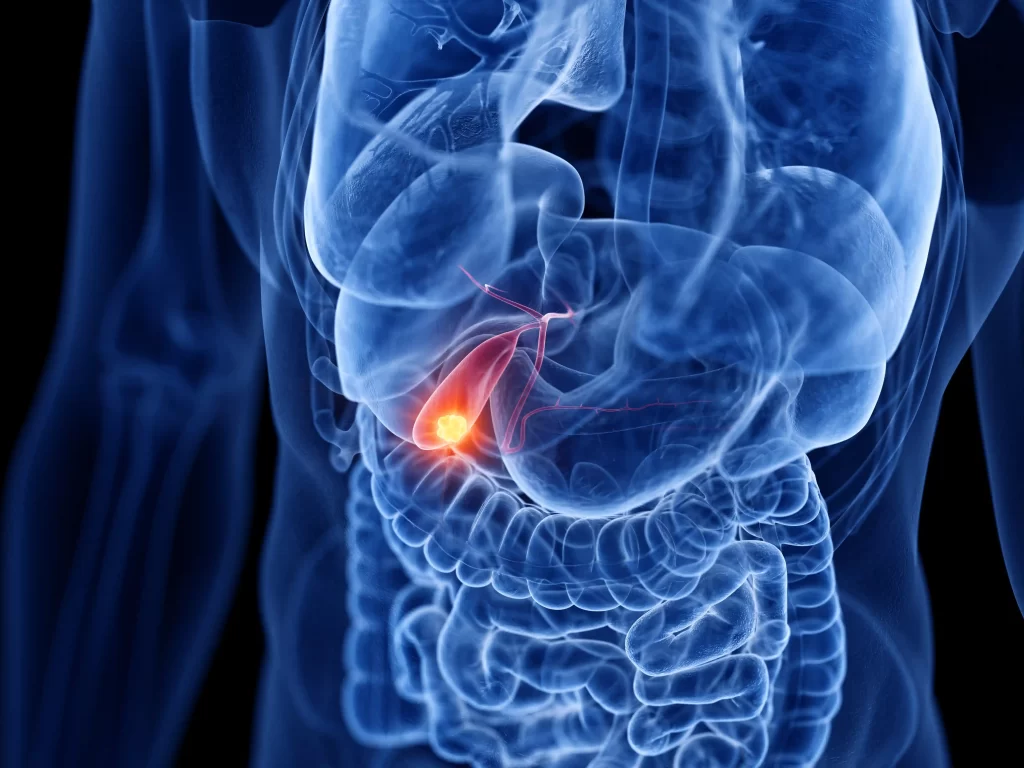
Gallbladder cancer is a rare type of cancer that belongs to the group of hepatobiliary cancers, which affect the liver, bile ducts, and gallbladder. It develops when abnormal cells in the gallbladder grow uncontrollably.
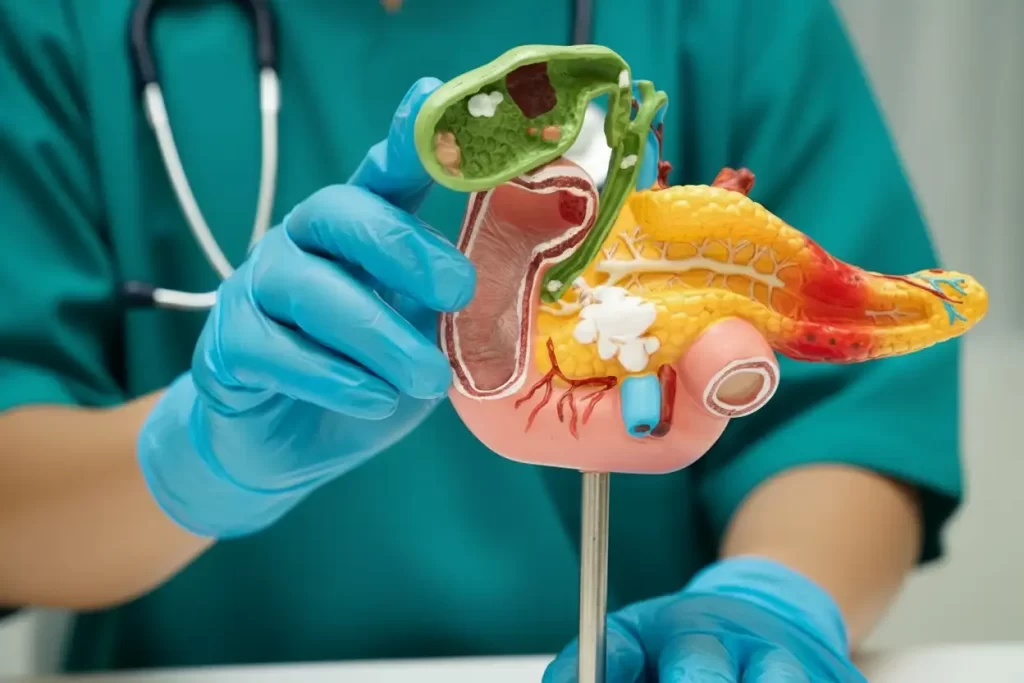
The gallbladder is a small organ located beneath the liver in the upper right abdomen. Its main function is to store bile, a digestive fluid that helps break down fats.
Most gallbladder cancers arise from the inner lining (mucosa) of the gallbladder and are typically adenocarcinomas. As the disease progresses, it may invade nearby structures such as the liver or bile ducts, and can also spread to lymph nodes or distant organs.
Early-stage gallbladder cancer often does not cause specific symptoms and is frequently discovered incidentally during imaging or surgery performed for gallstones or other gallbladder conditions.
When detected at an early stage and confined to the gallbladder, surgery offers the best chance of cure. However, many cases are diagnosed at a more advanced stage, when the cancer has spread beyond the gallbladder, making treatment more complex and often focused on disease control and symptom relief.
How Common is Gallbladder Cancer in Singapore?
Gallbladder cancer is rare in Singapore and accounts for a small proportion of all cancers diagnosed each year. It is more commonly seen in older adults and individuals with long-standing gallstones or chronic gallbladder inflammation.
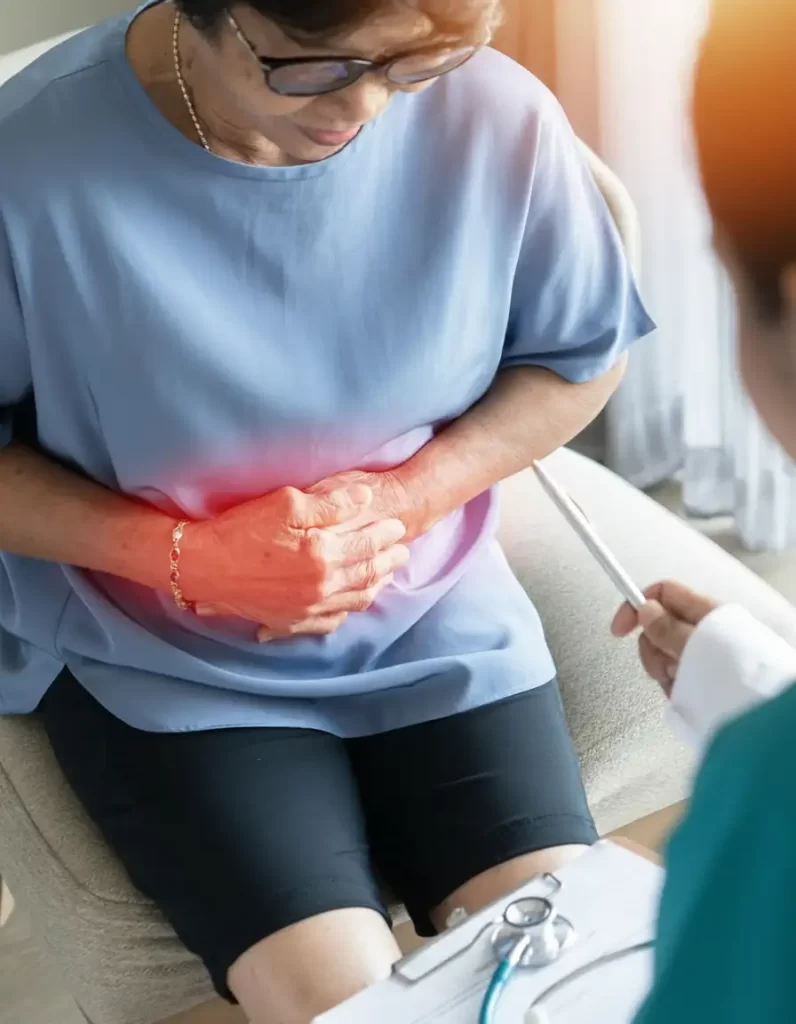
Gallbladder cancer may not cause symptoms in its early stages. When symptoms appear, they can resemble more common conditions such as gallstones or bile duct obstruction.
Possible signs and symptoms include:
Pain in the upper abdomen, particularly on the right side
Gallbladder cancer is often detected through imaging or investigations performed for other gallbladder-related conditions. If cancer is suspected, doctors will review symptoms, medical history, and arrange tests to confirm the diagnosis and determine how far the disease has progressed.
Diagnosis may involve a combination of blood tests, imaging studies, and surgical procedures.
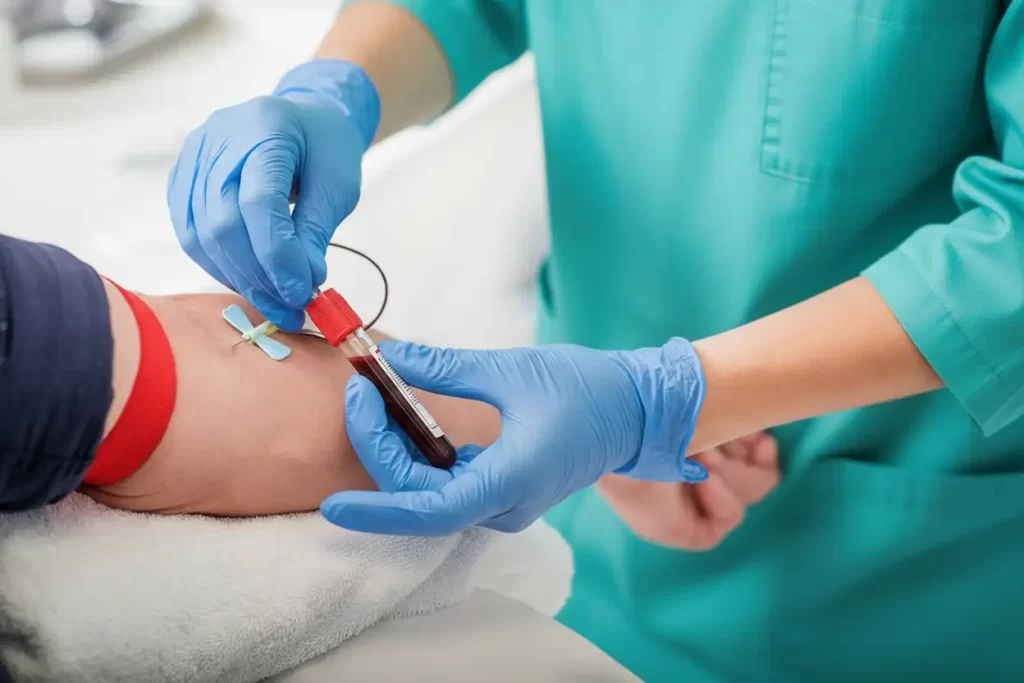
Laboratory tests
Blood tests may help identify abnormalities linked to gallbladder or liver function. Tumour markers such as CA 19-9 and CEA may be elevated in some patients, but they are not specific enough to diagnose gallbladder cancer on their own.
Imaging tests
Imaging plays a crucial role in detecting gallbladder cancer, determining its extent, and assessing whether it has spread.
Ultrasound is often the first imaging test used to evaluate the gallbladder.
CT scans provide detailed cross-sectional images of the abdomen and are important for assessing tumour extent, involvement of nearby structures (such as the liver), lymph nodes, and distant metastases.
MRI scans, often combined with MRCP (magnetic resonance cholangiopancreatography), offer superior soft-tissue contrast and detailed evaluation of the bile ducts and surrounding structures.
Endoscopic ultrasound (EUS) allows high-resolution imaging of the gallbladder and adjacent structures, and can also be used to obtain tissue samples for diagnosis.
Endoscopic retrograde cholangiopancreatography (ERCP) is mainly used to evaluate and treat bile duct obstruction. It can relieve blockage with stent placement and allows sampling (brushings or biopsy) if needed.
Biopsy and procedures
A biopsy or examination of removed tissue is usually required to confirm the diagnosis. In some cases, minimally invasive surgery such as laparoscopy may be performed to assess the extent of disease spread.
Staging describes how far the cancer has grown and whether it has spread.
Stage 0 (Carcinoma in situ)
Abnormal cells are present only in the inner lining of the gallbladder. These cells have not invaded deeper layers or spread elsewhere.
Stage I
The cancer has grown beyond the inner lining into the deeper layers of the gallbladder wall, but has not spread outside the gallbladder.
Stage II
The cancer has extended through the gallbladder wall into nearby connective tissue or the outer layer, but has not yet spread to lymph nodes or distant organs.
Stage III
The cancer has spread to nearby structures such as the liver or adjacent organs, and/or to nearby lymph nodes.
Stage IV
The cancer has spread more extensively, including:
Distant organs (such as the liver beyond direct extension, peritoneum, or lungs),
Treatment recommendations depend on the stage of cancer, whether it can be surgically removed, and the patient’s overall health. Management is usually carried out multidisciplinary team including medical oncologists, surgeons, and radiation specialists.
Treatment for early-stage gallbladder cancer
When the cancer is localised and operable, treatment is usually aimed at complete removal.
Surgery
Surgical removal of the gallbladder (cholecystectomy) is the primary treatment. In some cases, nearby lymph nodes or a small portion of the liver may also be removed if there is concern about cancer spread.
Treatment for advanced or metastatic gallbladder cancer
When gallbladder cancer cannot be surgically removed or has spread to other parts of the body, treatment focuses on controlling the disease, relieving symptoms, and maintaining quality of life.
Systemic therapy: Chemotherapy and immunotherapy help to slow cancer progression and prolong survival.
Radiation therapy: May be used in selected cases to help relieve symptoms such as pain or local tumour-related complications.
Supportive procedures: Relieve symptoms caused by tumour blockage
While advanced gallbladder cancer is usually not curable, treatment can help improve quality of life and extend survival.
At OncoCare Singapore, our multidisciplinary team includes medical oncologists specialising in gastrointestinal and hepatobiliary cancers, liver surgeons experienced in advanced and minimally invasive procedures, radiation oncologists, radiologists, pathologists, oncology nurses, dietitians, and psycho-oncology counsellors. Together, they design an individualised treatment plan for every patient.
If you have risk factors or symptoms that may suggest liver cancer, seeking early consultation with our specialists is important. Timely diagnosis offers the best chance for effective treatment and improved outcomes.