




Personalised treatments designed to fight cancer while minimising side effects.
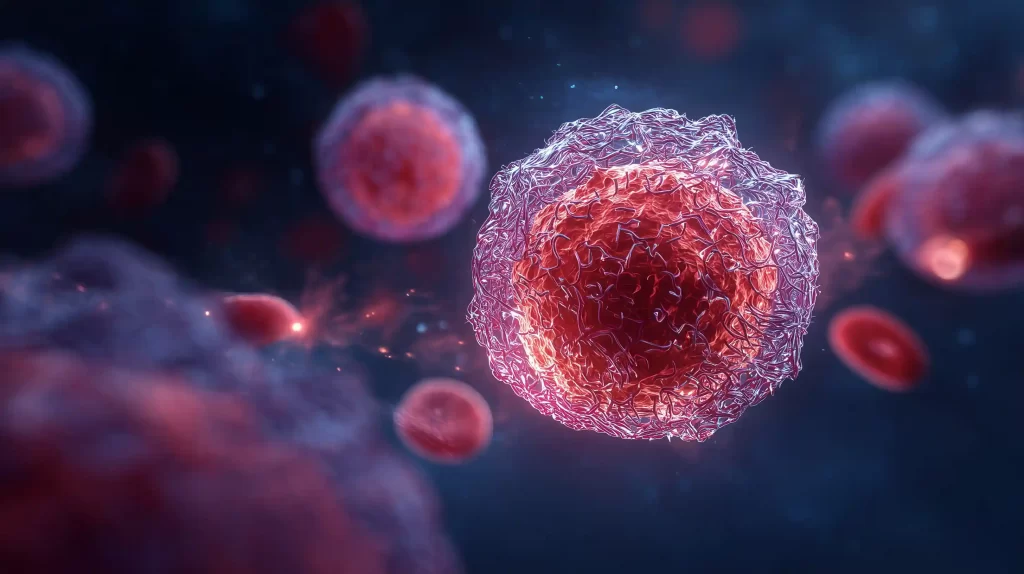
Blood cancer is a collective term for cancers that involve the blood-forming tissues, including the bone marrow and lymphatic system. These conditions develop when abnormal cells interfere with the body’s ability to produce and maintain healthy blood cells.
Many blood cancers originate in the bone marrow, the spongy tissue within bones where stem cells red cells, white cells, and platelets. When cancer develops, these cells grow or behave abnormally, crowding out healthy cells and affecting oxygen transport, immunity and blood clotting.
Although a diagnosis of blood cancer is serious, improvements in cancer therapies and supportive care have led to better disease control and survival outcomes for many patients.

Mouth and tongue cancers are less common in Singapore compared with major cancers such as breast, colorectal and lung cancer. Local sources estimate around 250 new oral cancer cases per year, with tongue cancer forming a smaller proportion.
Blood cancers are broadly classified into three main categories. Each group includes multiple subtypes that differ in how they develop, progress, and are treated.
Leukaemia is a blood cancer that originates in the bone marrow and affects white blood cells. It commonly involves the abnormal growth of immature blood cells, which can enter the bloodstream and interfere with normal blood cell function. Leukaemia occurs in both children and adults and is one of the most common cancers diagnosed in children.
Lymphoma develops in the lymphatic system and arises from lymphocytes, a specialised type of white blood cell involved in immune defence. Cancerous lymphocytes may accumulate in lymph nodes or other lymphatic tissues, forming enlarged nodes or masses. Lymphoma is generally classified into Hodgkin lymphoma and non-Hodgkin lymphoma.
Myeloma is a cancer of plasma cells, which are responsible for producing antibodies. It typically develops within the bone marrow and can affect bone strength, immune function, and other organs. The most common form is multiple myeloma.
Some rarer blood-related cancers include:
Myeloproliferative neoplasms are a group of disorders in which the bone marrow produces too many blood cells. This overproduction may involve red blood cells, white blood cells, or platelets. Over time, the excess cells can thicken the blood or affect how it flows and functions, and may require monitoring or treatment depending on the subtype.
Myelodysplastic syndromes occur when the bone marrow forms blood cells that are abnormal or do not mature properly. As a result, the body may have fewer healthy blood cells available. In some cases, immature cells known as blasts accumulate in the bone marrow and bloodstream. Management depends on the severity of the condition and the risk of progression.


Based on Singapore Cancer Registry data from 2017 to 2021, blood cancers were among the 10 most commonly diagnosed cancers locally. Lymphoid malignancies made up approximately 5.2% to 7.3% of new cases annually, while myeloid malignancies accounted for about 3.5% each year.
The signs of blood cancer can differ depending on the specific type, but there are several common symptoms to be aware of.
Many of these symptoms can also occur with non-cancerous conditions. Experiencing one or more of these does not necessarily mean cancer. However, if symptoms persist for several weeks or worsen over time, it is important to seek medical advice for further evaluation.

To evaluate for possible blood cancer, a doctor will first review your symptoms, medical history, and risk factors, followed by a thorough physical examination. If blood cancer is suspected, further tests are arranged to confirm the diagnosis and determine the specific type.
Blood tests are commonly the first step. A complete blood count (CBC) measures the levels of red blood cells, white blood cells, and platelets to check for abnormalities. Additional blood chemistry tests may be performed to look for unusual proteins or other markers that could suggest a blood cancer.
Scans such as CT scans, MRI scans, or PET scans may be used to assess different parts of the body and identify areas that could be affected by cancer.
A bone marrow biopsy is often required to confirm the diagnosis. During this procedure, a sample of bone marrow is taken and examined to compare the number of normal and abnormal cells. The sample may also be analysed for genetic or molecular changes that contribute to cancer development.
While the exact cause of blood cancer is not always known, certain factors may increase a person’s likelihood of developing the disease. Having one or more risk factors does not necessarily mean that cancer will occur, but awareness can help support early evaluation and monitoring.
The likelihood of many blood cancers increases with age, particularly among older adults.
Some blood cancers are diagnosed slightly more often in males than in females, although they can affect people of any sex.
Exposure to tobacco smoke, including long-term secondhand exposure, has been associated with a higher risk of certain blood cancers.
People who have received chemotherapy or radiation therapy for a previous cancer may have a slightly increased risk of developing blood cancer later in life.
A family history of certain blood cancers can raise risk in some cases. However, most people diagnosed with blood cancer do not have a known family history.
Treatment for blood cancer varies depending on the specific type and stage of the disease. Common approaches include the following:
At OncoCare Singapore, our multidisciplinary team includes medical oncologists specialising in gastrointestinal and hepatobiliary cancers, liver surgeons experienced in advanced and minimally invasive procedures, radiation oncologists, radiologists, pathologists, oncology nurses, dietitians, and psycho-oncology counsellors. Together, they design an individualised treatment plan for every patient.
If you have risk factors or symptoms that may suggest liver cancer, seeking early consultation with our specialists is important. Timely diagnosis offers the best chance for effective treatment and improved outcomes.