




Expert care tailored to your needs, combining advanced treatment with a focus on comfort and support.
Bladder cancer is a type of cancer that originates in the cells of the bladder, a hollow organ in the lower abdomen that stores urine. The most common type of bladder cancer is urothelial carcinoma, also known as transitional cell carcinoma, which begins in the urothelial cells lining the inside of the bladder.
Bladder cancer is a significant global health concern. It ranks as the 10th most common cancer worldwide, accounting for around 3.2% of all new cancer cases. The disease primarily affects older individuals, with most cases occurring in people over the age of 55. The global mortality rate is estimated to be approximately 2.8%.
These statistics provide a general overview of bladder cancer’s prevalence and impact both worldwide and in Singapore, emphasising the need for continued research, early detection, and effective treatment strategies to combat this disease.
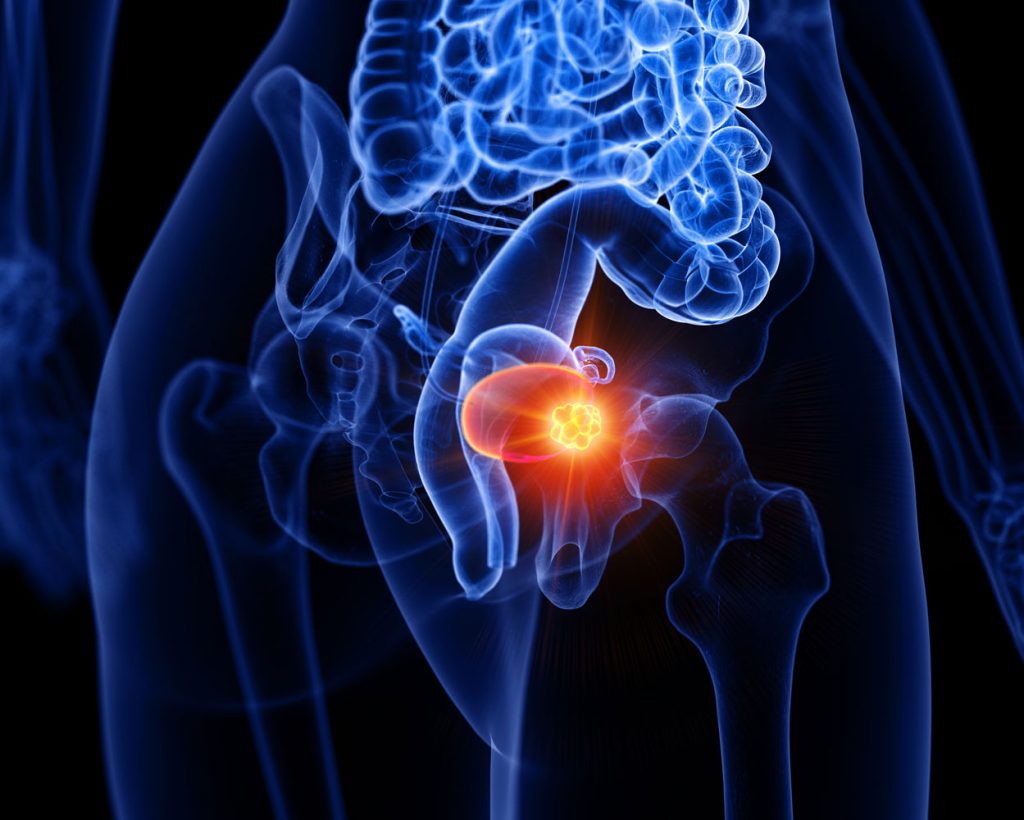

Bladder cancer is less common than colorectal, lung, breast, and prostate cancer in Singapore, but it remains a significant urological cancer, especially in men.
In Singapore, GLOBOCAN estimated about 465 new bladder cancer cases in 2022.
Bladder cancer is more common in men than in women, and risk rises with age.
Key risk factors include smoking, certain workplace chemical exposures, and chronic irritation of the bladder lining.
Early diagnosis and treatment can improve outcomes.
The signs and symptoms of bladder cancer can vary, and some individuals may not experience any symptoms in the early stages. The most common symptoms include:
Unlike some other cancers, there are no standard screening tests recommended for the general population to detect bladder cancer in its early stages. This is because there is currently insufficient evidence to support the effectiveness of routine screening for this disease in individuals without specific risk factors or symptoms.
However, for certain high-risk individuals, such as those with a history of bladder cancer or exposure to certain occupational hazards, regular screening or surveillance may be recommended. The specific strategies may vary based on individual risk factors and medical history.
In general, if you have symptoms suggestive of bladder cancer, such as blood in the urine (hematuria), frequent urination, or persistent urinary tract infections, it is essential to consult a healthcare professional for proper evaluation. They may perform tests such as urinalysis, imaging studies (like ultrasound or CT scan), or cystoscopy (a procedure to examine the bladder using a thin tube with a camera) to help diagnose or rule it out.
Additionally, it’s worth noting that reducing exposure to known risk factors for bladder cancer, such as quitting smoking and minimising occupational exposure to certain chemicals, can help lower the risk of developing the disease.

Bladder cancer is typically diagnosed through a combination of medical history evaluation, physical examination, and diagnostic tests. The process may involve the following steps:
Once a diagnosis of bladder cancer is confirmed, further tests may be conducted to determine the stage of the cancer and whether it has spread to other parts.
The exact causes of bladder cancer are not fully understood, but it is believed to develop due to a combination of genetic and environmental factors. Several risk factors have been identified that can increase the likelihood of developing bladder cancer. These include:
A diet low in fruits and vegetables and high in processed meats, as well as obesity, have been suggested as potential risk factors for bladder cancer. As with any surgical procedure, there is a risk of potential complications, such as bleeding, infection, blood clots, or damage to surrounding organs or structures.
It’s important to note that having one or more of these risk factors does not necessarily mean that an individual will develop bladder cancer. Conversely, some individuals with the disease may not have any known risk factors. Understanding the risk factors can help individuals make informed lifestyle choices and undergo appropriate screening or preventive measures when necessary.
Bladder cancer can be classified into different types based on the specific cells that are affected. The main types include:
This is the most common, accounting for the majority of cases. It develops in the urothelial cells that line the inside of the bladder and can also occur in the lining of the ureters and urethra.
This type arises from squamous cells that form in response to chronic irritation or inflammation of the bladder, such as from long-term urinary tract infections or bladder stones. Squamous cell carcinoma is less common than transitional cell carcinoma and is often associated with advanced disease.
Adenocarcinoma of the bladder is a rare type of cancer that develops in the glandular cells of the bladder. It is more similar to cancers found in other organs like the colon or prostate than to typical bladder cells.
Less common types include small cell carcinoma, sarcoma, and lymphoma, and they account for a small percentage of bladder cancer cases.
The type of bladder cancer and its stage play a crucial role in determining the treatment approach and prognosis. A proper diagnosis is essential to guide appropriate treatment decisions, and healthcare professionals use various diagnostic tests, including biopsies and imaging, to determine the specific type and stage of bladder cancer in each case.

Bladder cancer is a type of cancer that starts in the cells of the bladder, the organ responsible for storing urine.
It can cause symptoms like blood in urine and frequent urination and requires various treatments depending on its stage and severity.
In Singapore, there are various treatment options available for bladder cancer. The specific treatment plan will depend on multiple factors, such as the cancer stage, the tumour grade, the patient’s overall health, and other individual factors.
Our multidisciplinary team of oncologists in Singapore provides advanced care with a compassionate touch.