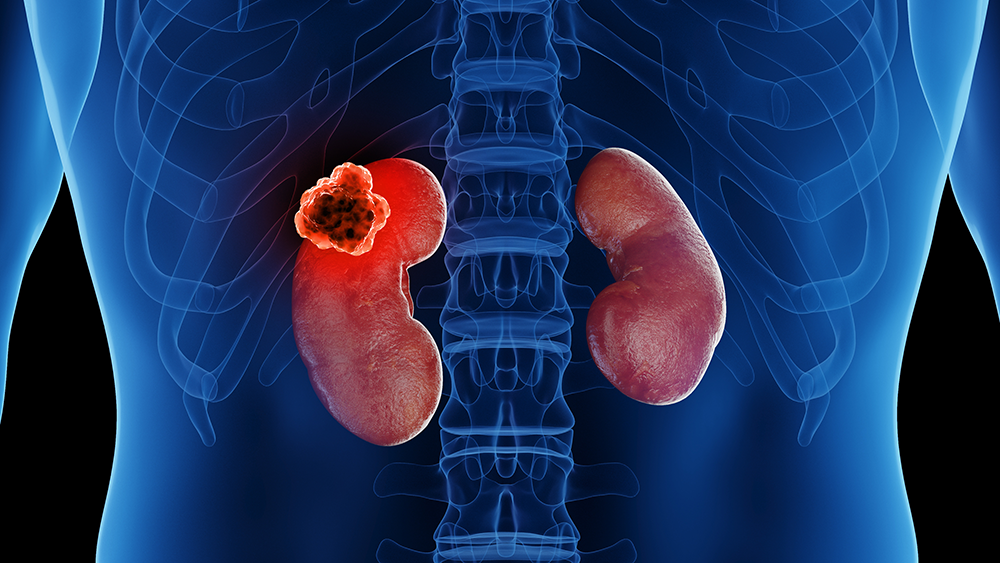
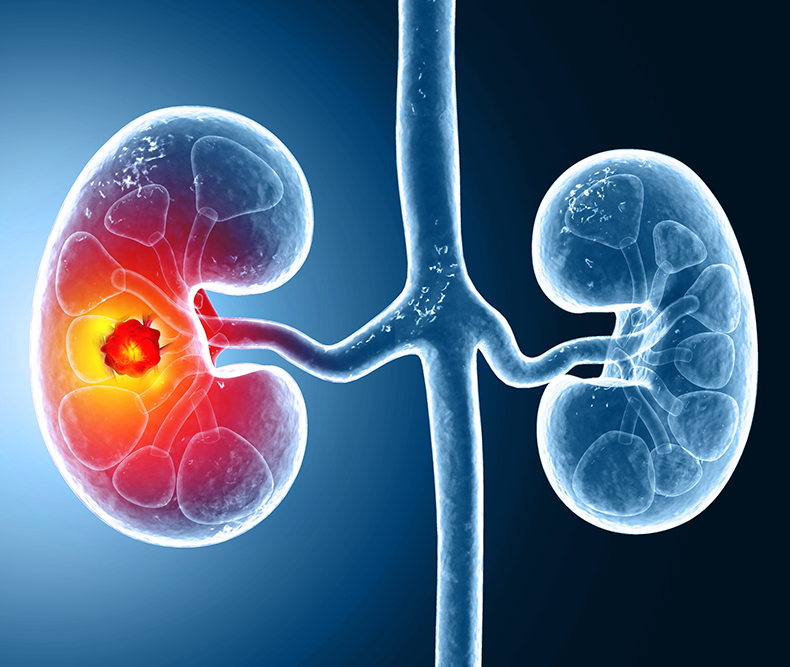
Kidney cancer, also known as renal cancer, occurs when abnormal cells in the kidney grow uncontrollably. The kidneys are bean-shaped organs that filter waste products from the blood and produce urine.
The most common type is renal cell carcinoma (RCC), which makes up about 90% of adult kidney cancers. Other less common types include transitional cell carcinoma (affecting the lining of the renal pelvis) and Wilms’ tumour, which mainly occurs in children.
How Common is Kidney Cancer in Singapore?
Kidney cancer is uncommon in Singapore, accounting for about 1 to 2 percent of all cancers, and it is seen mainly in people older than 50 years.
Recent Singapore sources place kidney and other urinary cancers among the top 10 cancers affecting men, but they remain far less common than prostate, colorectal, and lung cancer.
Risk factors include smoking, obesity, hypertension, and chronic kidney disease.
Many kidney cancers are found incidentally during scans done for other reasons, and early-stage disease is often treatable.
Kidney cancer is often called a “silent disease” because it may not show symptoms in its early stages. Symptoms may develop as the tumour grows and include:
Blood in the urine (haematuria), which may appear pink, red, or cola-coloured
Persistent pain in the back or side, just below the ribs
A lump or mass in the abdomen or side
Unexplained weight loss
Loss of appetite, fatigue, or persistent low-grade fever
There is no routine screening programme for kidney cancer in Singapore. The disease is often detected incidentally when patients undergo imaging (such as ultrasound, CT, or MRI) for unrelated reasons.
Those at higher risk – such as smokers, people with high blood pressure or obesity, patients on long-term dialysis, or individuals with inherited conditions like von Hippel-Lindau syndrome – may benefit from regular medical follow-up and discussions with their doctor about imaging surveillance.
Tumour is less than 7 cm and limited to the kidney
Stage II
Tumour is larger than 7 cm but still within the kidney
Stage III
Cancer has spread to nearby lymph nodes, blood vessels, or adrenal gland
Stage IV
Cancer has spread (metastasised) to distant organs such as the lungs, bones, or liver
What are Kidney Cancer Treatments?
Treatment depends on the stage, type of kidney cancer, overall health, and kidney function:
Surgery (Nephrectomy)
Partial nephrectomy: Removes only the tumour and part of the kidney.
Radical nephrectomy: Removes the whole kidney, adrenal gland, and nearby tissue if necessary. Minimally invasive laparoscopic and robotic surgery are increasingly used.
Ablation Techniques
Cryoablation (freezing) or radiofrequency ablation (heating) to destroy small tumours, usually in patients not suitable for surgery.
Patients may have access to innovative therapies through clinical research.
Meet Our Doctors
At OncoCare Singapore, our multidisciplinary team includes: Medical oncologists with expertise in kidney and urological cancers, Urologic surgeons experienced in minimally invasive and robotic techniques, Radiation oncologists, radiologists, and pathologists, Specialised oncology nurses and cancer care counsellors, Allied health professionals offering nutrition, physiotherapy, and psycho-oncology support.