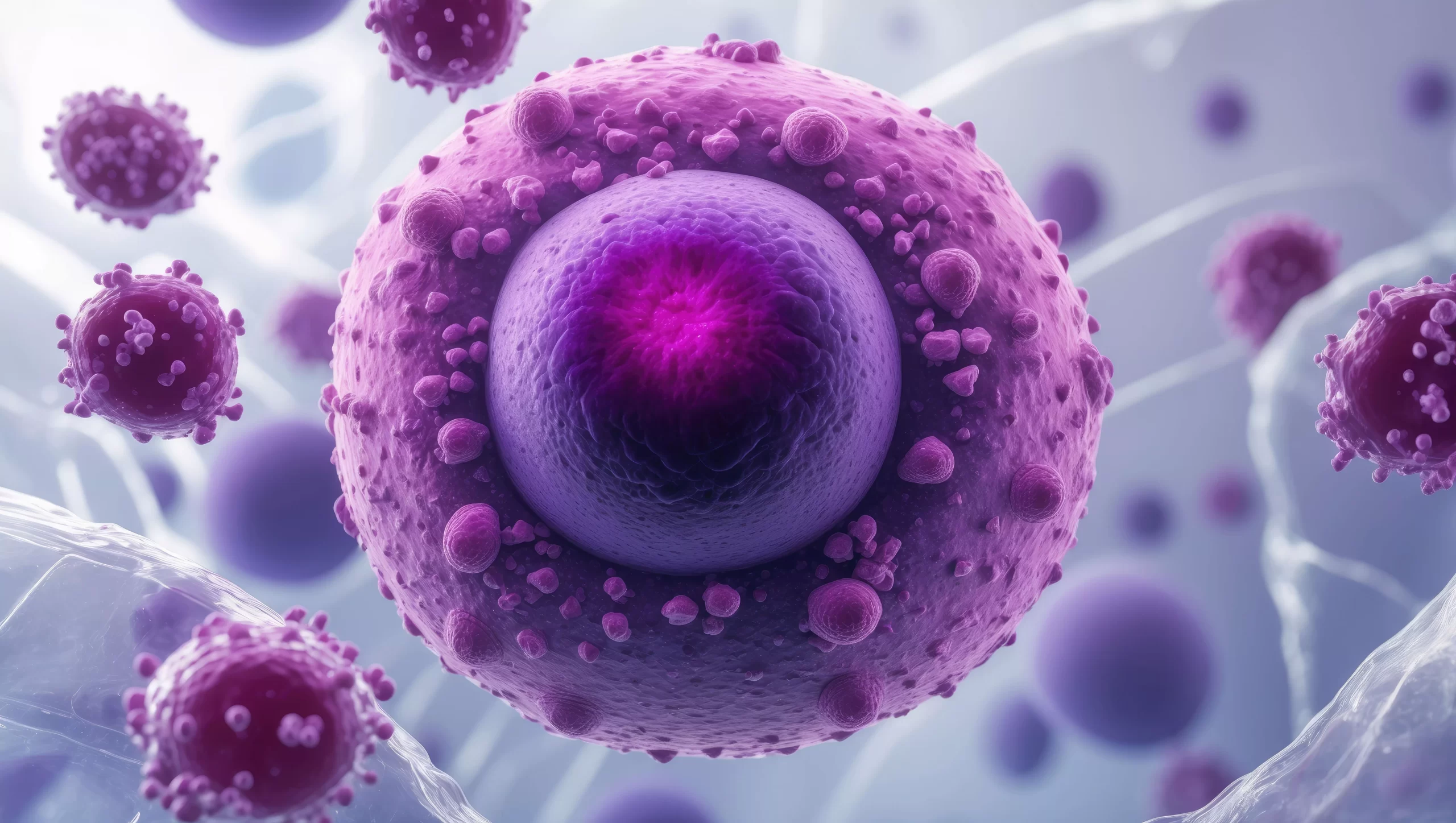
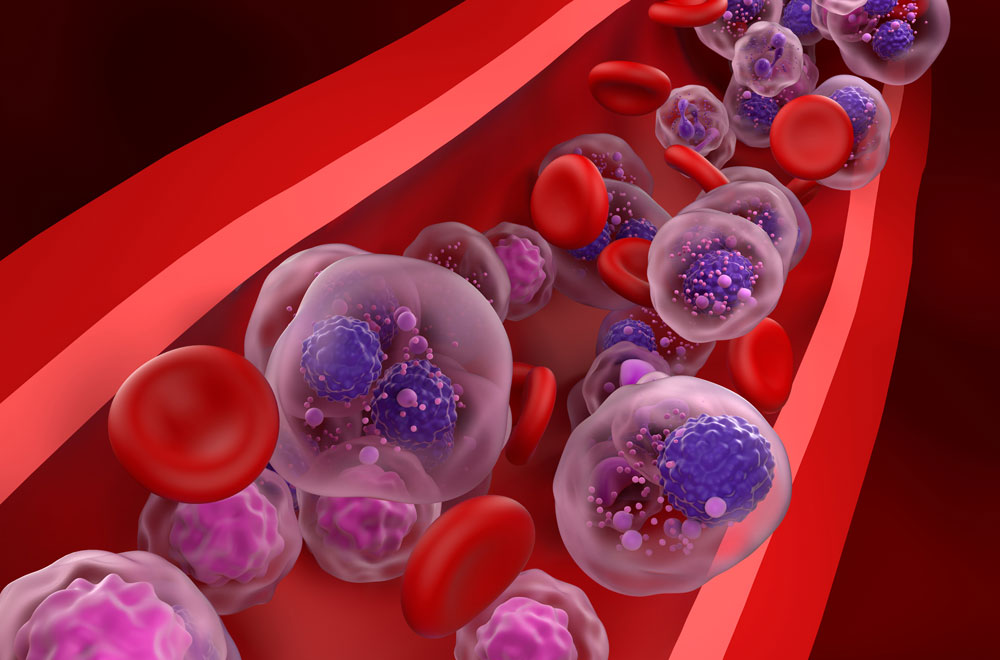
Multiple myeloma, also known as myeloma cancer, is a type of blood cancer that develops in plasma cells – a kind of white blood cell found in the bone marrow. Healthy plasma cells help fight infections by making antibodies, but in multiple myeloma, abnormal plasma cells grow uncontrollably. These cancerous cells crowd out normal blood cells, produce abnormal proteins, and can damage the bones, kidneys, and immune system.
How Common is Multiple Myeloma in Singapore?
According to GLOBOCAN 2020, multiple myeloma accounted for over 600 new cases and more than 400 deaths in Singapore that year. While it is less common than other cancers such as breast or lung cancer, its impact is significant because it often affects multiple organs and requires specialised, long-term management. Multiple myeloma is typically diagnosed in older adults, but younger patients can also be affected.
Diagnosis involves a combination of blood tests, urine tests, bone marrow biopsy, and imaging scans. These help to detect abnormal proteins (M-protein or light chains), assess kidney and bone health, and determine the extent of the disease.
Multiple myeloma is not yet considered curable, but effective treatments can control the disease, reduce symptoms, and improve survival. Treatment is highly personalised and may include:
With advances in therapy, many patients live significantly longer and with better quality of life.
Meet Our Doctors
At OncoCare Singapore, our multidisciplinary team includes medical oncologists specialising in blood cancers, haematologists with expertise in bone marrow disorders and transplants, radiation oncologists, radiologists, pathologists, and specialised oncology nurses. Allied health professionals such as nutritionists, physiotherapists, and counsellors also support patients through their journey. Together, we provide comprehensive and personalised care for every patient.