Personalised treatments designed to fight cancer while minimising side effects.
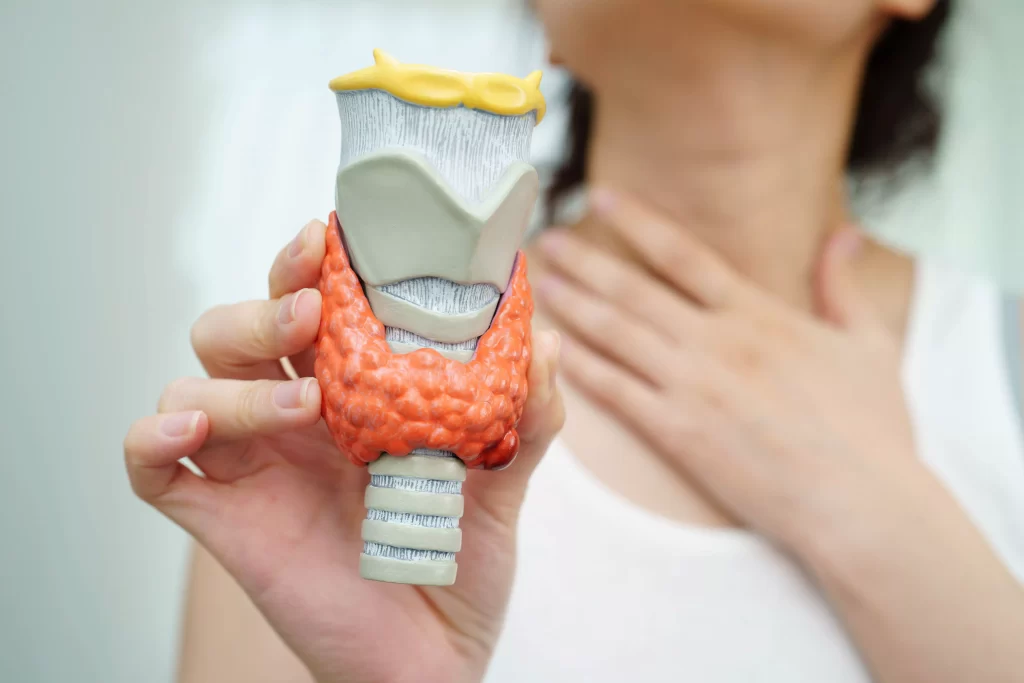
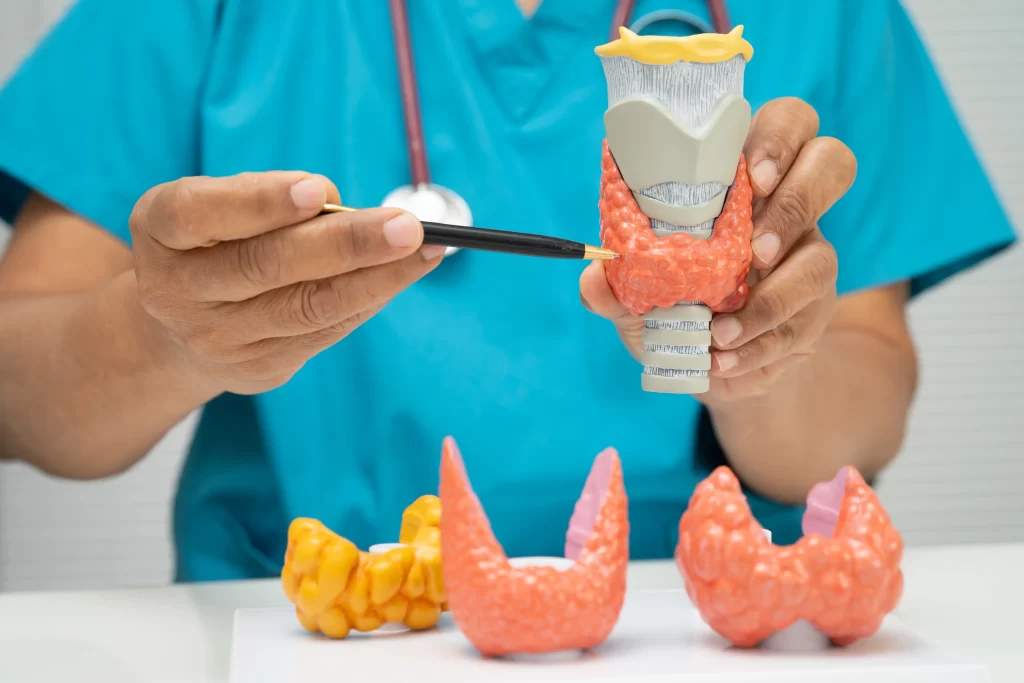
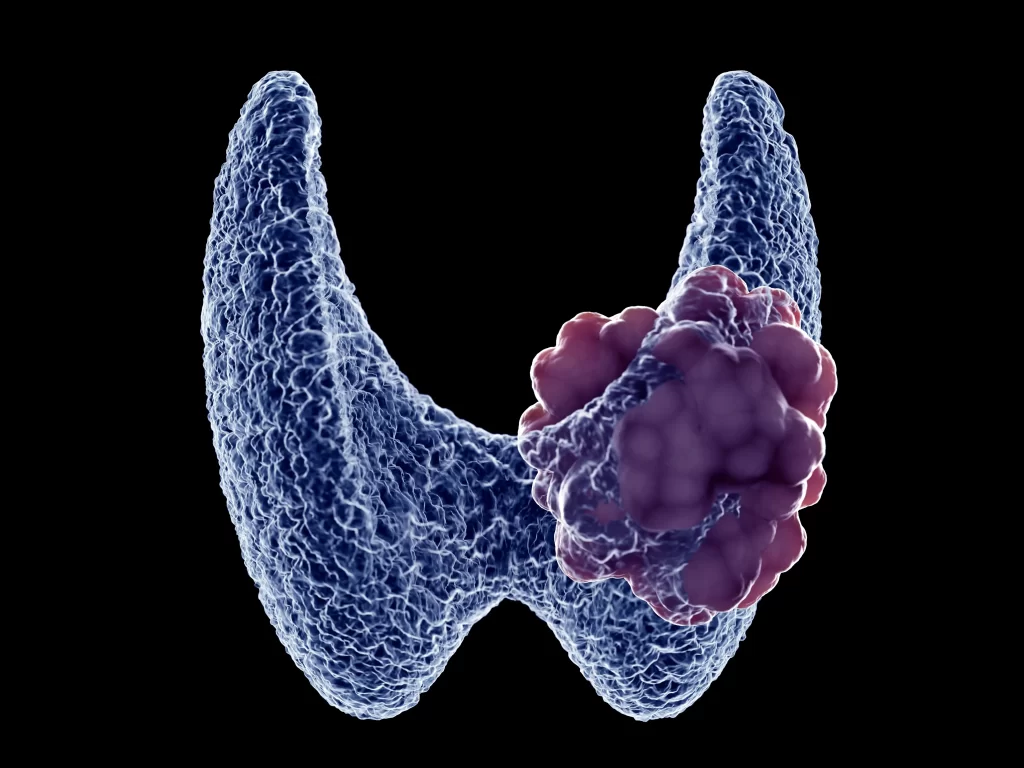
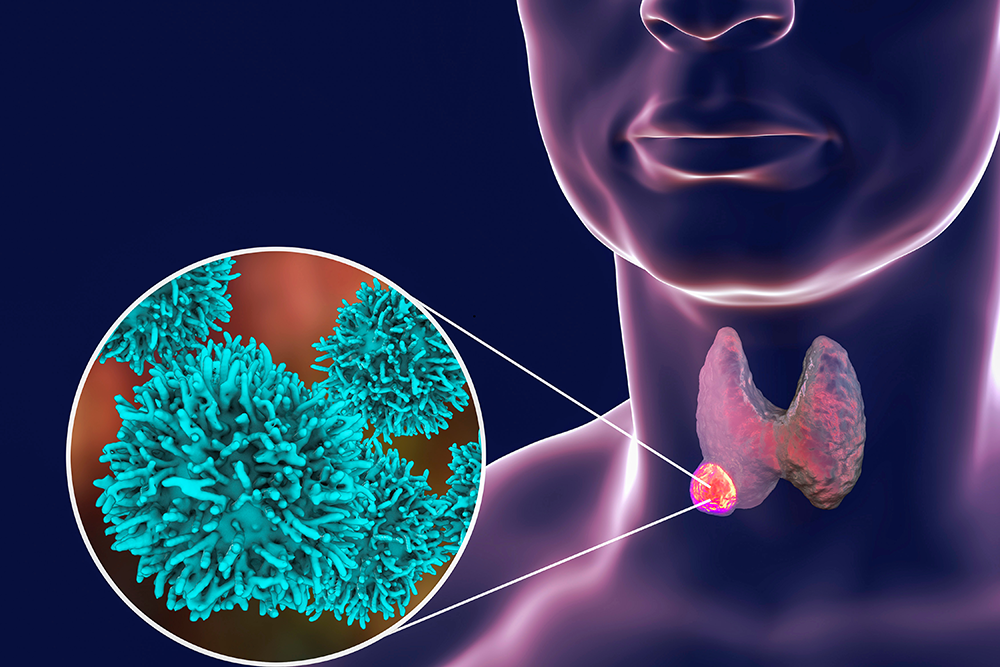
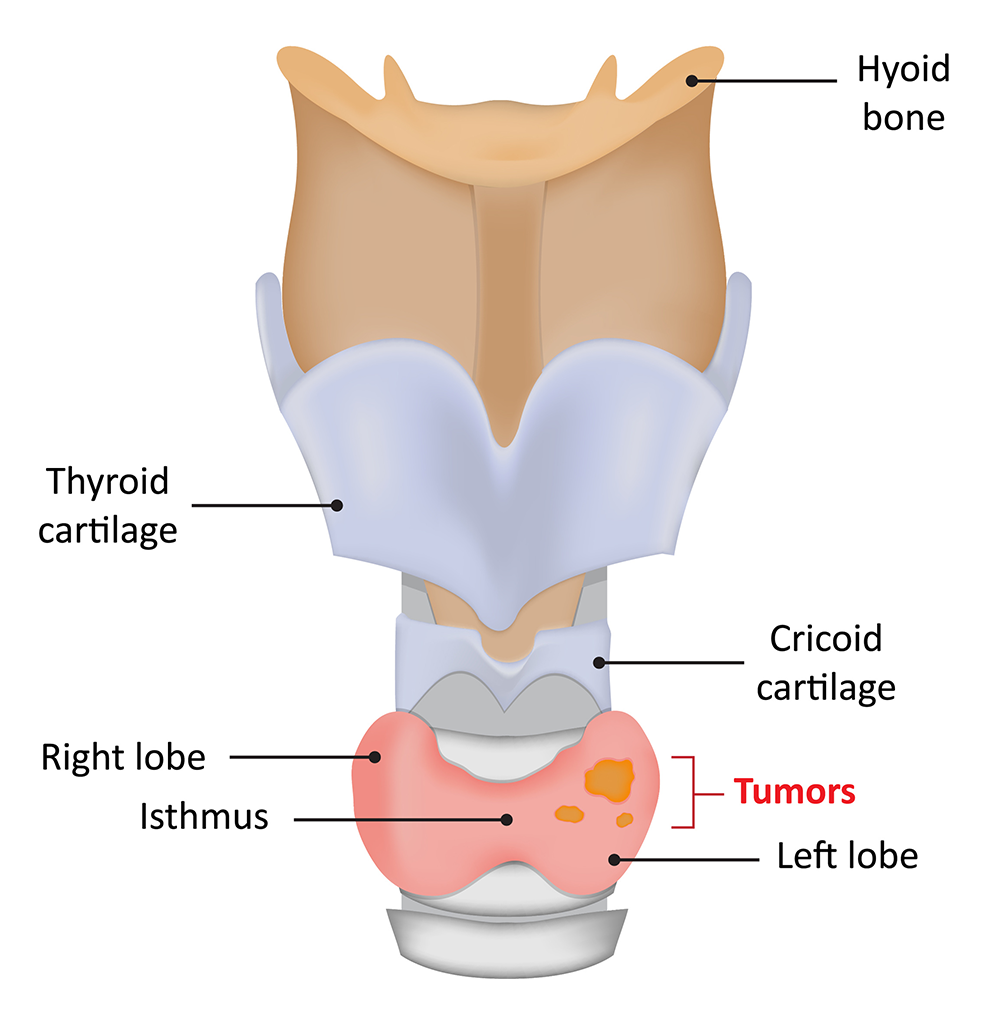
Thyroid cancer develops in the thyroid gland, a small butterfly-shaped organ located at the base of the neck. The thyroid produces hormones that regulate metabolism, heart rate, and body temperature. When abnormal cells in the thyroid grow uncontrollably, they may form nodules or tumours, which can be benign or malignant. Malignant nodules are considered thyroid cancer and require further evaluation and treatment.
According to GLOBOCAN 2020, thyroid cancer is among the top 10 cancers in women in Singapore, with over 800 new cases diagnosed annually. It is more common in women than men and often occurs between the ages of 30 and 60.
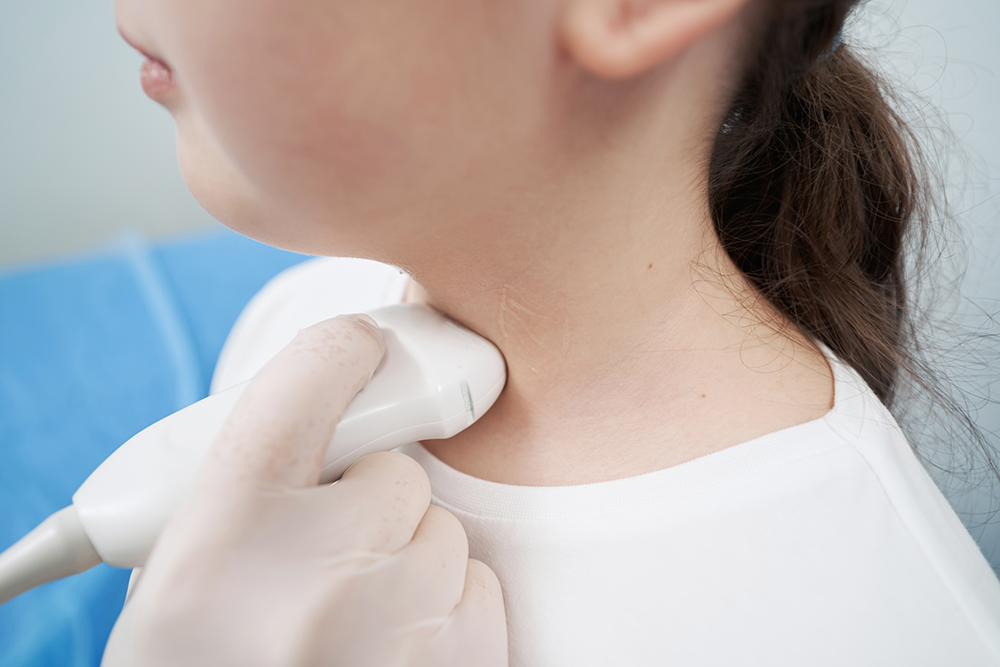
Evaluation of suspected thyroid cancer often includes:
The most common type, usually slow-growing and treatable
Can spread through the bloodstream to lungs or bones
Less common, can be hereditary, requires genetic testing
A rare but aggressive type that grows rapidly and is more difficult to treat
Staging depends on the size of the tumours, whether it has spread to nearby lymph nodes, and if it has metastasized to distant organs:
Localized disease in the thyroid
Spread to nearby lymph nodes or tissues
Spread to distant organssuch as the lungs or bones
Treatment is personalised based on type, stage, and patient profile:
Regular follow-up with imaging and blood tests (e.g., thyroglobulin monitoring) is essential after treatment.
At OncoCare Singapore, our multidisciplinary team includes: