Personalised cancer treatment that targets specific changes in cancer cells.
Targeted therapy focuses on the genetic and molecular changes that drive cancer growth. By identifying and attacking these specific targets, this treatment can stop or slow cancer progression while minimising damage to healthy cells.
Treatment type: Precision medicine that targets specific genes or proteins in cancer cells.
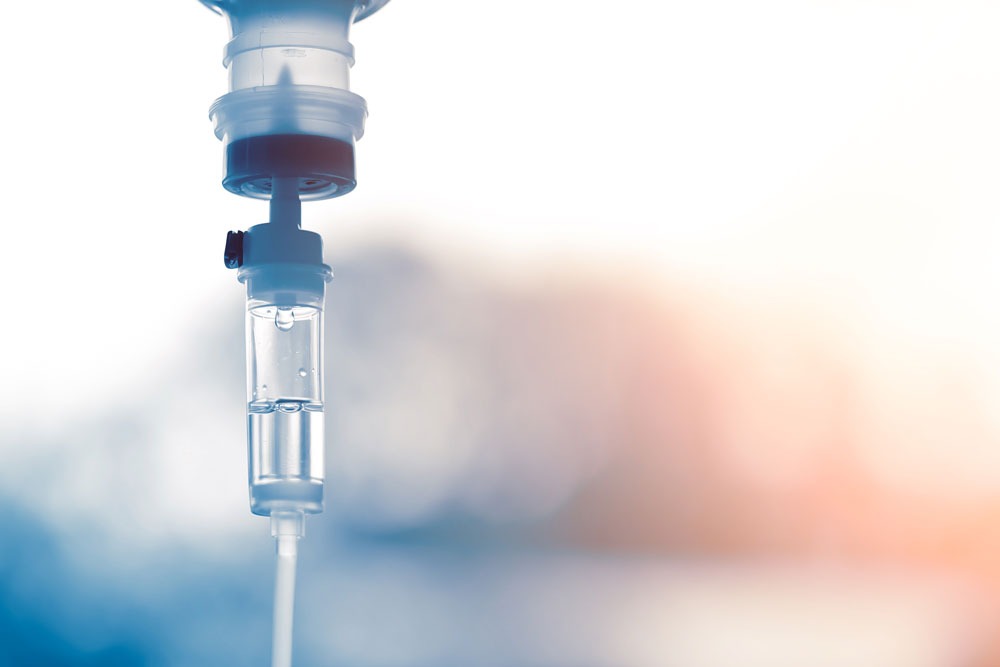
How it's given: Taken as oral tablets or administered through intravenous (IV) infusion.
Commonly used for: Breast, lung, colorectal, liver, thyroid, and certain blood cancers.
Treatment duration: Continuous cycles or long-term therapy, depending on response.
Key benefit: Targets cancer growth precisely, resulting in fewer side effects on healthy cells.
Monitoring: Regular scans and blood tests to track treatment progress.
What is Targeted Therapy?
Targeted therapy is an advanced form of cancer treatment designed to interfere with the molecular processes that help cancer cells grow, divide, and spread.
Unlike chemotherapy, which attacks rapidly dividing cells throughout the body, targeted therapy acts only on cells with specific genetic mutations or proteins that drive cancer development.
Because it focuses on molecular changes unique to each cancer, targeted therapy is often considered a personalised or precision-based treatment option.
While targeted therapy generally causes fewer side effects than chemotherapy, some patients may still experience:
Skin rash or dryness
Fatigue or weakness
Diarrhoea
High blood pressure
Changes in liver function
At OncoCare Singapore, our care team provides comprehensive supportive care to help manage these side effects. Regular monitoring, nutritional advice, and symptom management are part of your ongoing treatment journey.
Your Treatment Journey
1
Consultation & Testing
Biomarker or genetic testing to identify molecular targets.
2
Personalised treatment plan
Created based on your cancer type and results.
3
Treatment administration
Oral or IV therapy as prescribed.
4
Monitoring & review
Regular check-ups, blood tests, and imaging to assess progress.
5
Ongoing care & support
Covering recovery, wellbeing, and long-term follow-up.
Our multidisciplinary team of oncologists, nurses, pharmacists, and counsellors will guide you at every step.