



Personalised treatments designed to fight cancer while minimising side effects.
Germ cell tumours are growths that develop from reproductive cells, which are the cells that normally form eggs in females and sperm in males. These tumours most often arise in the ovaries or testicles, but they can also form in other parts of the body. Germ cell tumours may be benign (non-cancerous) or malignant (cancerous).
Although germ cell tumours can occur at any age, they are more frequently diagnosed in children, teenagers, and young adults.
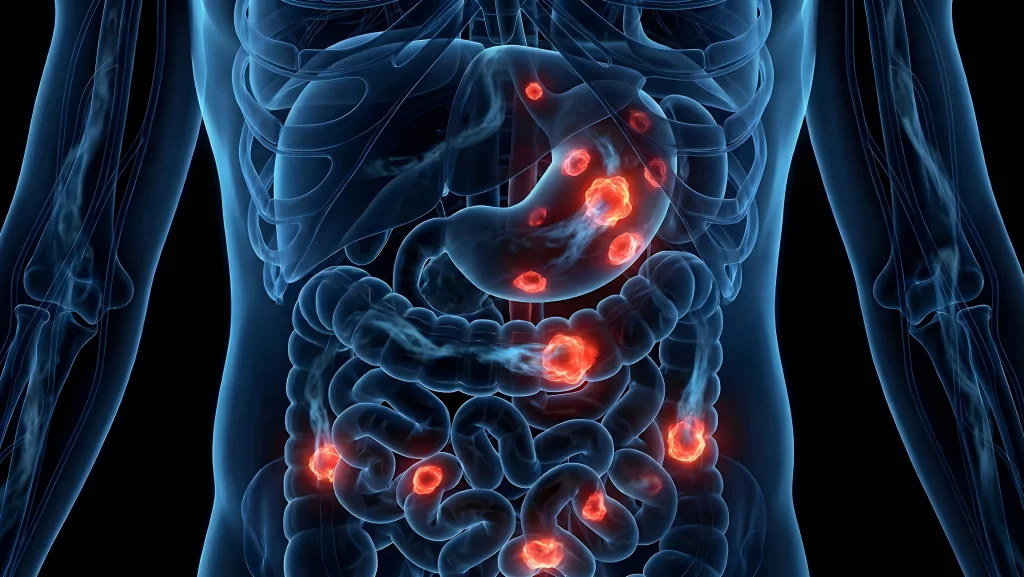
In some cases, germ cell tumours develop outside the reproductive organs. These are known as extragonadal germ cell tumours and may occur in areas such as the chest, abdomen, brain, spine, or near the tailbone.
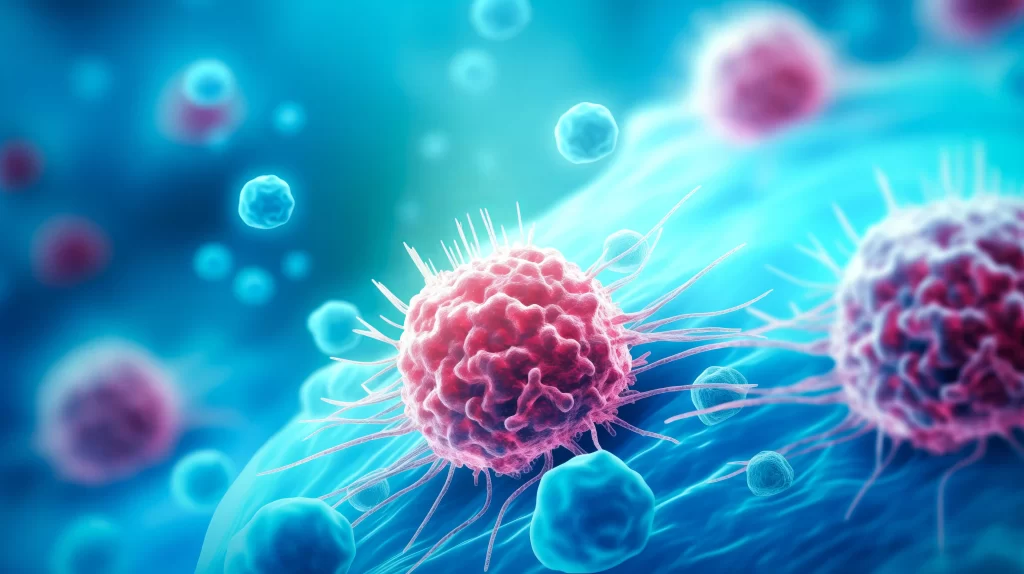
Thymoma is considered a rare cancer in Singapore. While uncommon overall, it is recognised as the most frequent tumour found in the anterior mediastinum (the front part of the chest cavity) in adults. Some patients with thymoma also have autoimmune conditions, most commonly myasthenia gravis, which affects muscle strength.
Germ cell tumours may consist of a single cell type or a combination of different cell types, known as mixed germ cell tumours. Several subtypes exist, and they can vary in how quickly they grow and where they develop.
These categories apply primarily to testicular germ cell tumours.
Choriocarcinomas are rare malignant tumours that most commonly arise in the uterus and can spread to other parts of the body, including the fetus.
Germinomas are malignant tumours that commonly arise in the brain or spinal cord but can also occur in the ovaries or testicles.
This uncommon cancer is frequently found as part of a mixed germ cell tumour rather than on its own.
A rare and fast-growing malignant tumour, polyembryoma often appears together with other germ cell tumour types and contains structures that resemble early embryonic tissue.
Teratomas are tumours that may contain different types of tissue, such as hair, teeth, muscle, or bone. They can be benign or malignant. Noncancerous teratomas are among the most common ovarian germ cell tumours.
Also known as an endodermal sinus tumour, this malignant tumour is composed of cells that resemble those found in early embryonic development.
Germ cell cancers (GCCs) are regarded as relatively rare within the general population in Singapore. However, they represent an important group of malignancies among younger individuals and are often highly responsive to treatment when detected early. These tumours make up a small proportion of cancers overall, but they constitute a notable share of cancers diagnosed in children and adolescents, and a modest percentage of cancers affecting males.
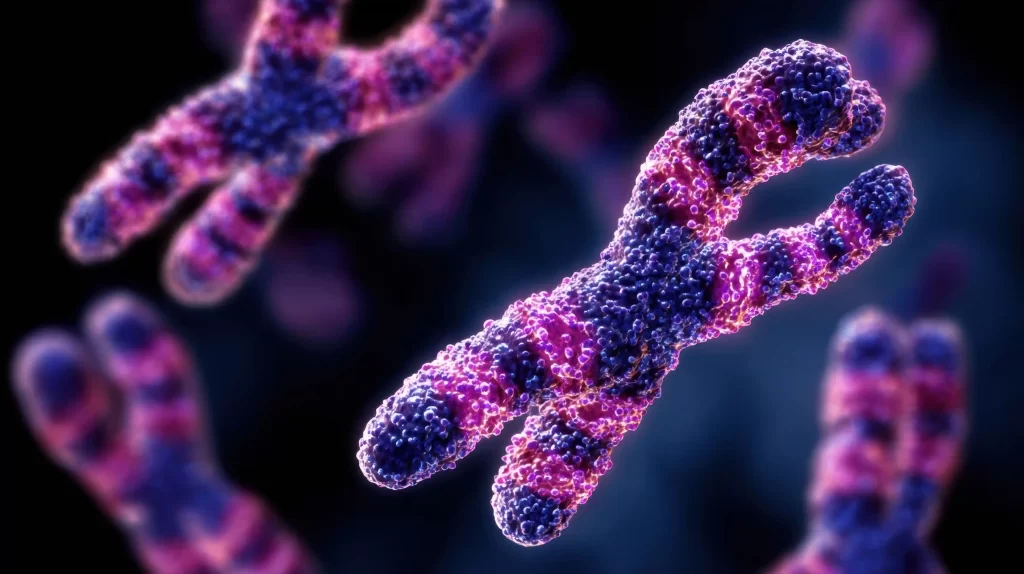
Germ cell tumours can occur at any age but are more commonly diagnosed in young children, teenagers, and young adults.
Certain factors may be associated with an increased risk, including:
It is important to note that many individuals diagnosed with germ cell tumours do not have any identifiable risk factors.
The signs of a germ cell tumour can vary depending on its size and where it develops in the body.
In females
In males
Some germ cell tumours produce hormones that affect physical development, particularly in children. This can lead to early puberty or unusual sexual development. Girls may develop breast tissue, pubic hair, or begin menstruation earlier than expected, while boys may develop enlarged breast tissue.
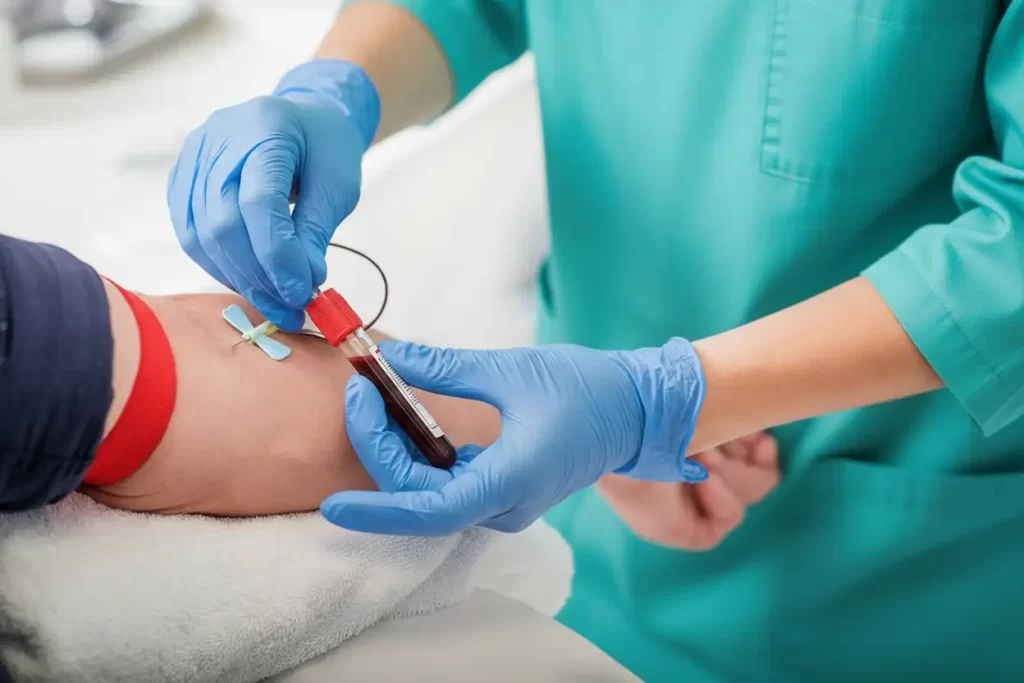
Diagnosis begins with a clinical assessment, including a physical examination and review of symptoms and medical history. Further investigations may be recommended to confirm the diagnosis and assess disease extent.
A blood sample may be taken to measure certain tumour markers and substances in the blood. Elevated levels of human chorionic gonadotropin (hCG), alpha-fetoprotein (AFP), or lactate dehydrogenase (LDH) can be associated with some types of germ cell tumours.
Scans such as CT scans, MRI scans, or ultrasound examinations are commonly used to visualise structures inside the body and identify abnormal growths. These imaging studies are often among the first steps in detecting a tumour.
A PET scan may be performed to check whether the cancer has spread to other areas of the body.
If there is concern that the cancer may involve the bones, a bone scan can help identify areas of abnormal bone activity.
A biopsy is required to confirm the diagnosis. During this procedure, a small sample of tissue is removed from the tumour and examined in a laboratory to determine whether cancer cells are present and what type of tumour it is.
Management of germ cell tumours depends on the tumour type, location, and stage. Common treatment approaches include surgery, chemotherapy, and, in some cases, radiation therapy.
Treatment recommendations vary depending on individual clinical circumstances. Patients should consult a qualified specialist for personalised medical advice.
At OncoCare Singapore, our multidisciplinary team includes medical oncologists specialising in gastrointestinal and hepatobiliary cancers, liver surgeons experienced in advanced and minimally invasive procedures, radiation oncologists, radiologists, pathologists, oncology nurses, dietitians, and psycho-oncology counsellors. Together, they design an individualised treatment plan for every patient.
If you have risk factors or symptoms that may suggest liver cancer, seeking early consultation with our specialists is important. Timely diagnosis offers the best chance for effective treatment and improved outcomes.