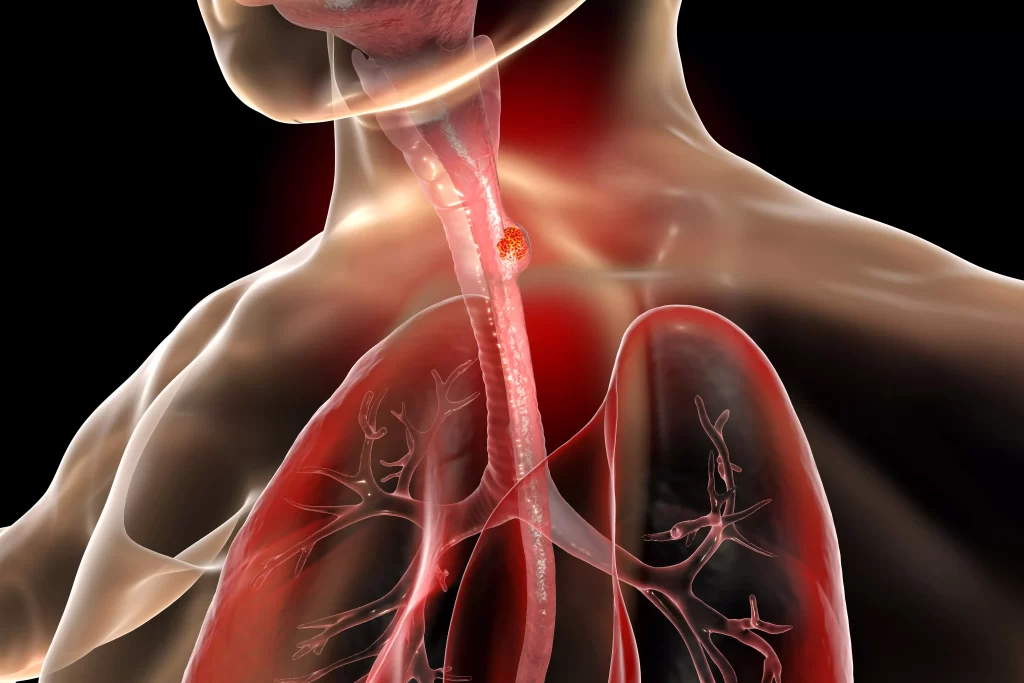
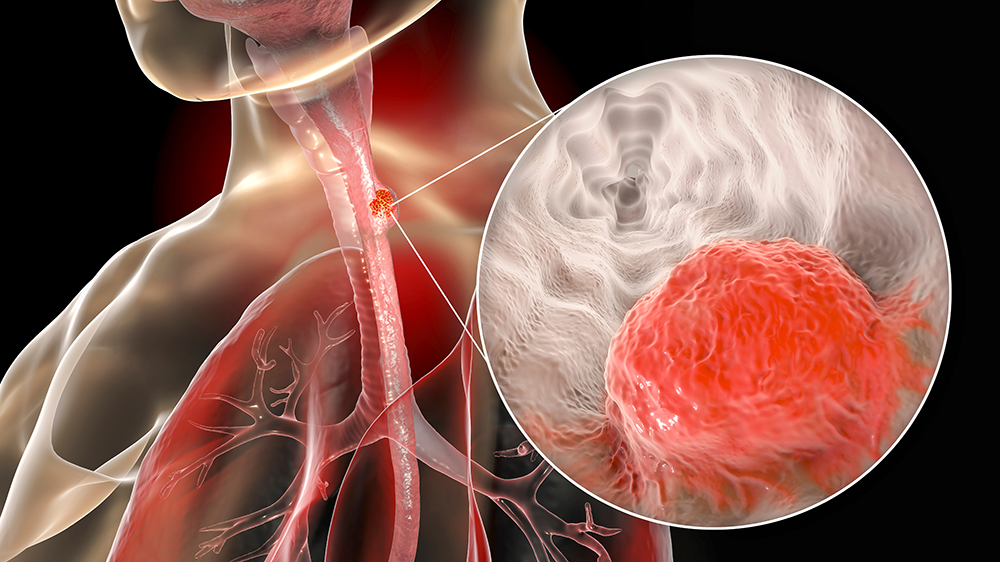
Esophageal cancer begins in the esophagus, the muscular tube that carries food and liquids from the throat to the stomach. In Singapore, it is less common than gastric or colorectal cancer, but cases are steadily rising. The two main types are squamous cell carcinoma (more common in Asia, often linked to smoking, alcohol, and diet) and adenocarcinoma (linked to obesity and reflux disease).
How common is Esophageal Cancer in Singapore?
Esophageal cancer is relatively uncommon compared to breast, colorectal, and lung cancers but it remains a serious disease because many patients are diagnosed at an advanced stage. According to the GLOBOCAN 2020 data, Singapore recorded around 48,639 new cancer cases across all types. Esophageal cancer contributed a small proportion of these, but still accounted for hundreds of new cases each year. Mortality is high, as patients often present late — a trend seen across many Asian countries, where over 80% of global cases occur.
What Are the Signs and Symptoms of Esophageal Cancer?
Patients may notice difficulty swallowing (especially solid foods), chest discomfort, unexplained weight loss, chronic cough or hoarseness, indigestion, or vomiting blood. Symptoms often appear late, making early detection important.
There is no routine national screening programme for esophageal cancer in Singapore. However, screening may be recommended for high-risk groups:
People with a history of heavy smoking, alcohol use, or betel quid chewing
Individuals with long-standing acid reflux, Barrett’s esophagus, or obesity
Patients with a family history of esophageal cancer
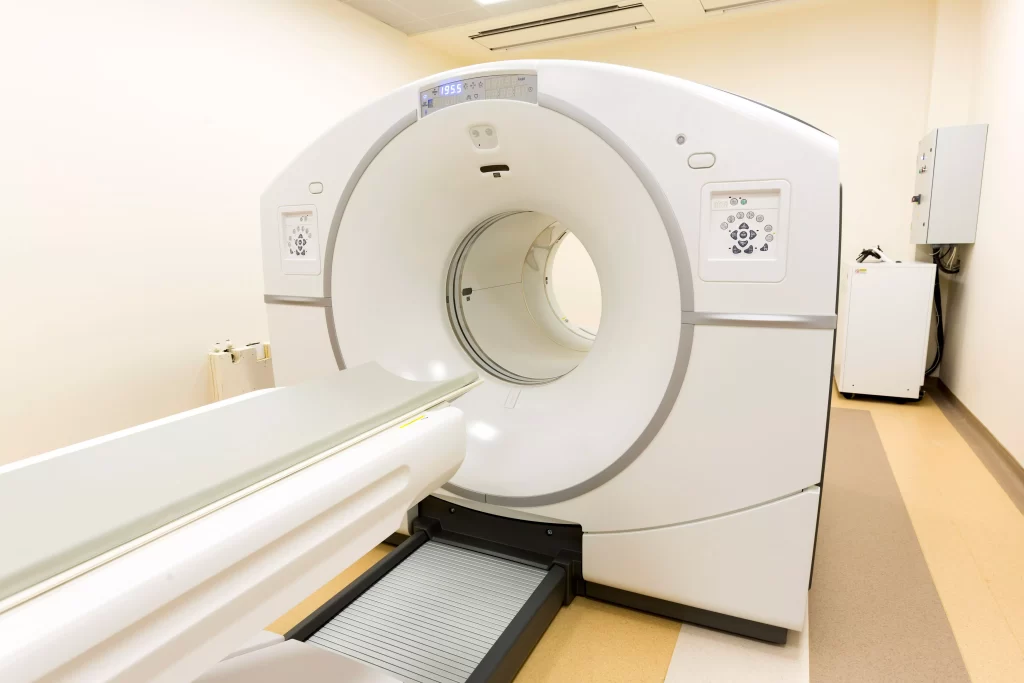
For these groups, upper endoscopy (esophagogastroduodenoscopy or EGD) is the most reliable method to detect early changes or precancerous conditions. In some cases, advanced imaging techniques and biopsy may be used to confirm findings.
What Are the Causes and Risk Factors of Esophageal Cancer?
Risk factors include smoking, heavy alcohol consumption, diets high in preserved or salty foods, long-term acid reflux, obesity, and Barrett’s esophagus. In Singapore, tobacco and betel quid chewing remain important contributors.
In Singapore, treatment is available at major cancer centres, with modern radiotherapy, advanced surgery, and systemic therapy options.
Meet Our Doctors
In Singapore, our team brings together medical oncologists, upper GI surgeons, radiation specialists, radiologists, pathologists, oncology nurses, and allied health experts. They work closely to design a treatment plan tailored to each patient’s needs.