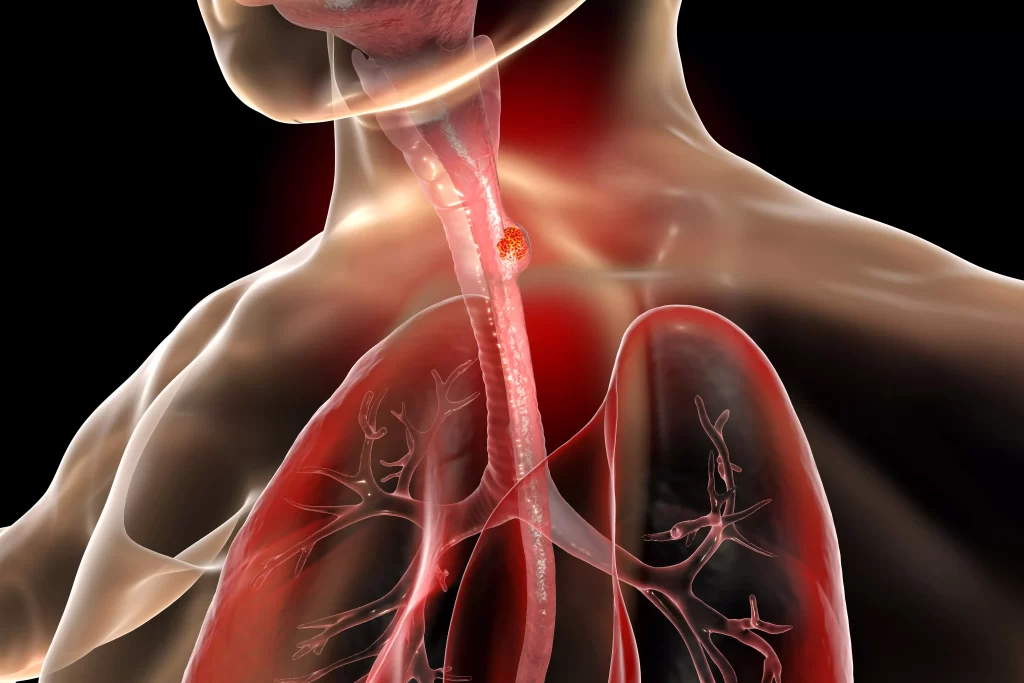
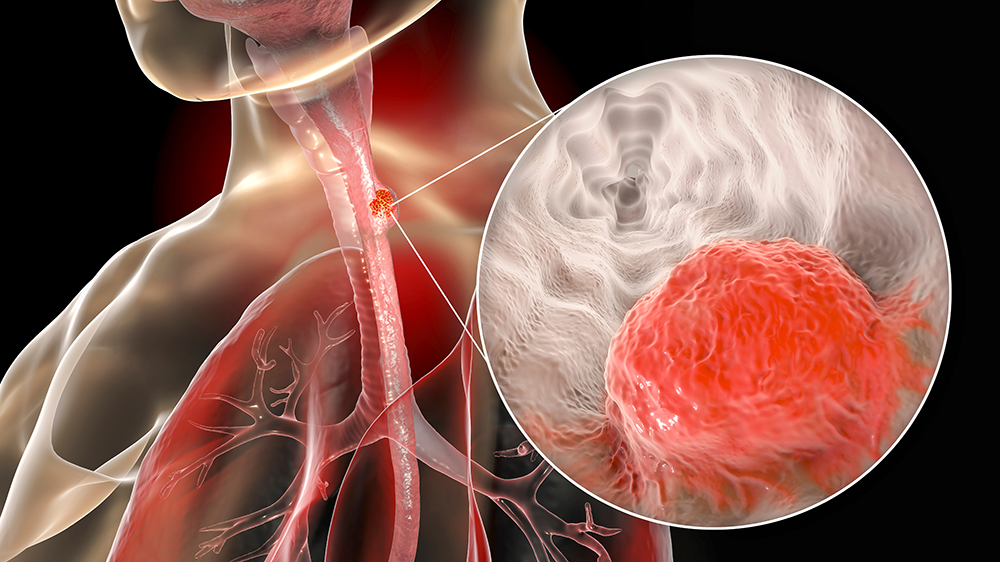
Esophageal cancer is relatively uncommon compared to breast, colorectal, and lung cancers but it remains a serious disease because many patients are diagnosed at an advanced stage. According to the GLOBOCAN 2020 data, Singapore recorded around 48,639 new cancer cases across all types. Esophageal cancer contributed a small proportion of these, but still accounted for hundreds of new cases each year. Mortality is high, as patients often present late — a trend seen across many Asian countries, where over 80% of global cases occur.
In Singapore, our team brings together medical oncologists, upper GI surgeons, radiation specialists, radiologists, pathologists, oncology nurses, and allied health experts. They work closely to design a treatment plan tailored to each patient’s needs.