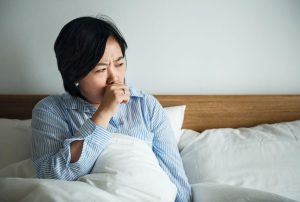
從新冠肺炎康復後,是否仍持續咳嗽?這種「新冠後遺症咳嗽」可能是病毒留下的後遺症。然而,若症狀持續未消,或出現其他異常徵兆,建議諮詢醫療專業人員,以排除其他可能的病症,包括肺癌。
在這篇文章中,新加坡癌症中心 OncoCare 探討了人們為何會出現「新冠後遺症咳嗽」,如何辨識與肺癌相關的徵兆和症狀,並針對新冠後遺症咳嗽持續不癒的風險因素提出建議,強調這些情況絕不能置之不理。
COVID-19 期間咳嗽的原因是什麼?
新冠肺炎疫情已影響全球數百萬人。而咳嗽正是感染者可能面臨的常見症狀之一。
此症狀也會以各種形式表現出來,即使其他症狀已消退,它往往仍會持續存在。畢竟,這種病毒會引發一系列呼吸道症狀,從輕微的不適到嚴重的呼吸困難,這些症狀會以不同方式持續影響患者。
感染 COVID-19 期間,病毒會特別針對呼吸道,引發發炎反應。這種發炎雖是自然的免疫反應,但會刺激氣道,進而引發咳嗽。咳嗽是一種反射動作,旨在將刺激物和病原體從體內清除。就 COVID-19 而言,這通常會導致乾咳且持續不癒,若伴隨痰液,則可能轉為帶痰的咳嗽。
雖然大多數人的咳嗽會在幾週內痊癒,但有些人會發展成所謂的「慢性咳嗽」——持續時間超過八週。這種長期咳嗽可能由多種因素引起:
- 持續性發炎:即使感染已消退,發炎反應仍可能持續存在,導致持續性咳嗽。
- 自體免疫疾病:免疫系統可能會錯誤地攻擊並損害人體自身的組織。然而,關於 COVID-19 為何可能引發此類反應,進而導致潛在的自體免疫疾病,目前仍存在不確定性。
- 感官過度反應:呼吸道的神經可能因接觸病毒而變得過度敏感,導致咳嗽反射過度活躍。
感染 COVID-19 後,肺部需要多久才能康復?
Recovering from COVID-19's respiratory effects varies significantly from one person to another, as it is typically based on the severity of the infection and individual health factors.
通常來說,肺部恢復所需的時間可能從三個月到一年以上不等。這個過程類似於從任何嚴重傷勢中康復,因為它可能涉及從肺泡癒合到其他受病毒影響的呼吸系統結構等各個層面。
如果我在痊癒後咳嗽仍未好轉,該怎麼辦?
COVID-19 感染後持續性咳嗽的盛行率雖有差異,但統計數據顯示,約有20% 至 25% 的有症狀患者在初次發病後曾出現咳嗽症狀(Fernández-de-las-Peñas 等,2021)。
這被稱為「長期新冠咳嗽」或「新冠後遺症」,指的是在初始病毒感染消退後,仍持續影響患者的一系列症狀。這些症狀通常在感染後約三個月出現,並可能持續數月,包括但不限於疲勞、呼吸困難,以及注意力難以集中或記憶力減退等認知功能障礙。
The World Health Organisation recognises Long COVID as a condition with symptoms that can't be attributed to any other diagnosis. These symptoms can affect anyone, irrespective of the COVID-19 severity they experienced or their demographic characteristics. Long COVID's impact is profound, affecting various body systems and leading to symptoms that may resemble neurological, autoimmune, or cardiovascular conditions, among others.
為什麼我在痊癒後仍然咳嗽?
新冠後遺症引起的咳嗽可能歸因於四種潛在的發炎相關原因之一。這些原因包括鼻後滴流、下呼吸道及肺部感染、神經性過敏機制,以及間質性肺病(Yates, 2023)。
- 鼻後滴流:鼻後滴流是由於鼻腔及鼻竇持續發炎所致,此發炎反應會產生液體,沿著喉嚨流下並刺激咳嗽反射(Yates, 2023)。
- 下呼吸道感染:下呼吸道及肺部感染是由組織腫脹所引起,此腫脹會觸發咳嗽反射,以清除下呼吸道內的液體(Yates, 2023)。
- 神經過度敏感:此外,病毒可能引起大腦神經組織和/或神經的發炎,導致過度敏感並觸發咳嗽反射。
- 間質性肺病:最後,間質性肺病是指肺組織因發炎而產生疤痕或受損所引起的疾病,這是一種嚴重的病症,需要接受醫療照護(Yates, 2023)。
我感染新冠肺炎後持續的咳嗽會傳染嗎?
If you're experiencing a lingering cough after recovering from COVID-19, it generally does not mean you are still contagious. According to health guidelines, individuals who were asymptomatic or had mild to moderate symptoms typically cease to be contagious seven days after their symptoms first appeared.
診斷長期新冠
Diagnosing Long COVID involves a comprehensive evaluation by healthcare professionals who start by reviewing the patient's medical history and reported symptoms. To gain deeper insights into the lingering effects of COVID-19, various diagnostic tests are employed based on the specific complaints of each patient.
這些可能包括:
- 血液檢查:這些檢查有助於偵測持續性的發炎反應,或是病毒可能引發的其他異常狀況。
- 影像檢查技術:胸部 X 光和電腦斷層掃描等技術對於觀察肺部及其他器官的狀況至關重要,藉此精準找出可能導致患者出現症狀的任何變化。
- 肺功能檢查:這些檢查對於評估肺部恢復狀況至關重要,可測量氣流以及肺部能容納的空氣量。
- Cardiac Assessments: Electrocardiograms (EKG/ECG) or echocardiograms (Echo) are performed to ensure the heart's functions have not been compromised, as COVID-19 can affect cardiovascular health.
如何從 COVID-19 後的咳嗽中恢復?
如果您一直在想該如何擺脫新冠後遺症引起的咳嗽,請務必注意:康復過程可能相當漫長,且往往取決於最初感染的嚴重程度。雖然咳嗽可能持續數週甚至數月,但通常不會對您的身體健康造成危害。然而,由於咳嗽帶來的壓力與不適,它可能會對您的心理健康造成顯著影響。
以下是一些緩解咳嗽並促進康復的實用步驟:
- 補充水分與加濕:保持呼吸道濕潤至關重要。定期補充水分、飲用溫熱飲品(例如蜂蜜檸檬水),以及使用加濕器,都是舒緩受刺激的呼吸道並幫助減輕咳嗽反射的最佳方法。
- 胸部物理治療技巧:深呼吸練習、胸部叩擊以及「呼氣咳嗽法」等技巧,可能有助於清除肺部的黏液。睡覺時將頭部抬高,也有助於預防夜間出現無法控制的咳嗽發作。
- 避免接觸刺激物:應遠離菸草煙霧、灰塵或煙霧瀰漫的環境,以及香水和香氛蠟燭等強烈氣味,這些都可能引發咳嗽。
- 藥物與保健品:針對 COVID 症狀的處方藥物,或非處方止咳藥及喉糖,或許能提供某種程度的暫時緩解。
- 生活方式的調整:透過均衡營養與規律運動維持健康的生活方式,有助於增強免疫功能並促進整體健康。
「長期新冠」引起的咳嗽會增加罹患肺癌的風險嗎?
「長期新冠」與肺癌之間的關聯,是目前持續研究且備受關注的領域。
嚴重的新冠肺炎感染所造成的廣泛肺部損傷與疤痕,可能引發慢性發炎——而這種狀況已知可能增加罹癌風險。
然而,現階段仍難以斷言「長期新冠」與肺癌發病風險增加之間存在直接關聯。這是因為雖然慢性發炎確實可能導致 DNA 損傷和細胞轉化——這些都是癌症的前兆——但仍需更多數據來釐清其長期影響。
Furthermore, the medical community is vigilantly monitoring patients with Long COVID for any long-term consequences, including potential connections to cancer, given the virus's impact on lung tissue and the overall immune response. While the concern is legitimate, drawing definitive conclusions about Long COVID as a direct precursor to lung cancer requires further in-depth studies, particularly considering the varying degrees of the disease's severity and individual genetic predispositions.
雖然將「新冠後遺症咳嗽」與肺癌聯繫起來的具體病例研究相當罕見,但確實有幾起案例引發了擔憂。例如,美國有一名患者雖從未對新冠病毒檢測呈陽性,卻出現了典型的新冠肺炎症狀,後來被診斷出患有肺癌。 在新加坡,另有一宗類似案例:一名非吸菸者起初將其持續的乾咳和疲勞歸因於良性原因,卻最終發現自己罹患了晚期肺癌。這些案例凸顯了當出現持續性呼吸道症狀時,進行全面診斷評估的迫切必要性。
肺癌的徵兆與症狀
雖然長期咳嗽可能令人擔憂,但患有「新冠後遺症咳嗽」的人無需過度驚慌。相反,他們應專注於康復,並留意是否出現其他肺癌症狀,例如:
- 持續性咳嗽,且症狀惡化或未能緩解
- 胸部不適
- 呼吸困難
- 喘鳴
- 咯血
- 持續的疲勞
- 非自願性體重減輕
然而,若出現上述多項症狀,務必諮詢新加坡的肺癌專科醫師,例如OncoCare。這點對於有吸菸史,或曾接觸肺癌風險因素(例如經常暴露於二手菸、氡氣及石棉中、居住在空氣污染嚴重的地區,或有肺癌家族病史)的人士而言,尤為重要。 早期發現與治療能顯著改善肺癌患者的預後及生活品質。
從 OncoCare 獲得您所需的協助
Dealing with symptoms of lung cancer can be an overwhelming experience, and looking for medical professionals well-versed in specialised care and treatments such as lung carcinoma treatment is crucial in your journey towards better health. This is where OncoCare comes in - our compassionate team of lung cancer specialists and doctors in Singapore are here to support you every step of the way.
我們深知面對如此充滿不確定性的處境,您可能感到多麼焦慮,因此我們致力於提供量身打造的個人化照護,以滿足您的具體需求。請立即預約,獲取專業的指導與支援。
您的健康與福祉是我們的首要考量,我們在此提供您所需的支持與指引,助您克服這項挑戰。
「專業知識意味著能為癌症患者提供更好的照護」
撰文:
陳志成醫生
醫學士(新加坡)
英國皇家內科醫學院會員
參考文獻
Fernández-de-las-Peñas, C., Palacios-Ceña, D., Gómez-Mayordomo, V., Florencio, L. L., Cuadrado, M. L., Plaza-Manzano, G., & Navarro-Santana, M. (2021). 住院與非住院 COVID-19 康復者之 COVID-19 後遺症盛行率:一項系統性文獻回顧與統合分析。《歐洲內科學期刊》,92,55–70。doi:10.1016/j.ejim.2021.06.009
Yates, N. (2023)。取自 https://theconversation.com/still-coughing-after-covid-heres-why-it-happens-and-what-to-do-about-it-179471
.jet-listing.jet-listing-dynamic-field.display-inline {
display: none;
}